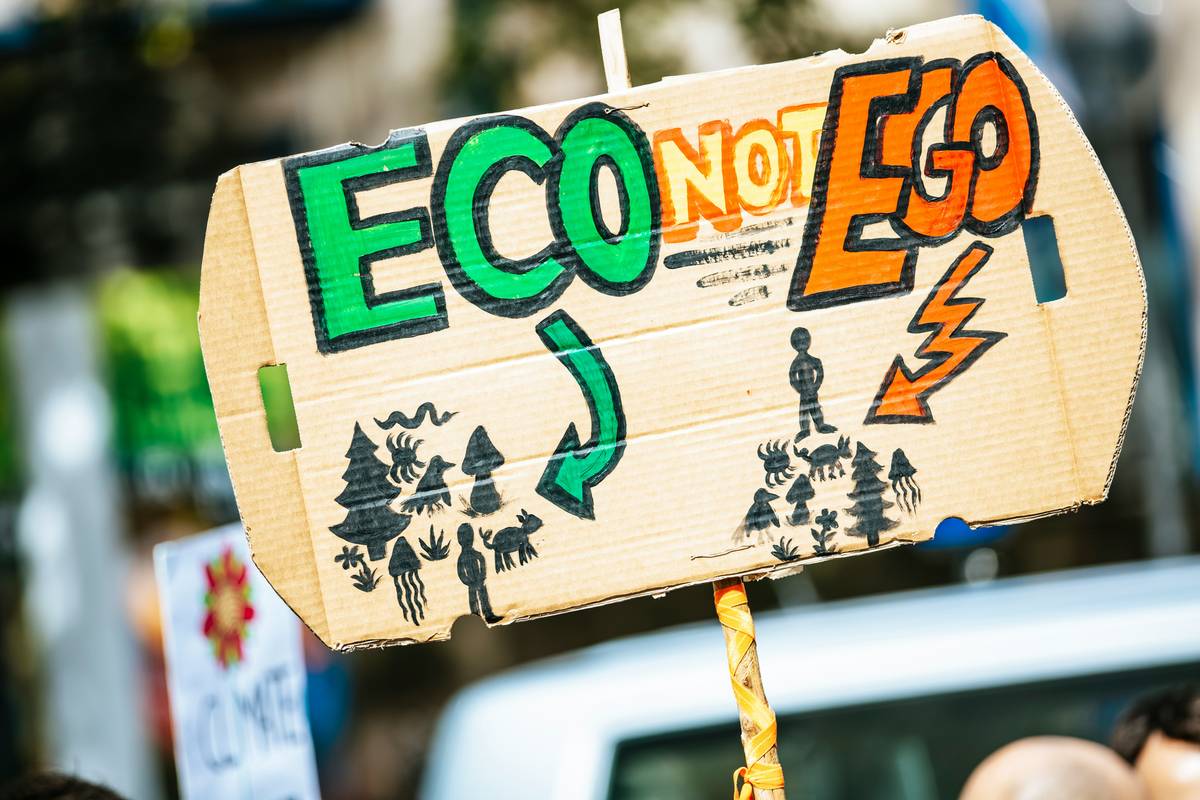
What if your “eco-friendly” campaign actually hurts the planet—and your brand? Many marketers jump into green marketing with good intentions but outdated tactics, landing them in hot water with savvy consumers and regulators. In the realm of online education—where sustainability claims are scrutinized more than ever—the evolution of green marketing isn’t just a trend; it’s a survival skill.
This guide unpacks how green marketing has transformed from vague slogans to data-driven, transparent strategies. You’ll learn actionable steps, real-world pitfalls (yes, I’ve stepped in one myself), and how to build trust without greenwashing. Whether you’re launching a course on sustainable branding or advising edtech startups, these insights ensure your message resonates—and endures.
Table of Contents
- Why the Evolution of Green Marketing Matters in Online Education
- A Step-by-Step Guide to Modern Green Marketing
- 5 Best Practices for Authentic Sustainability Messaging
- Real Campaigns That Nailed (or Bombed) Green Marketing
- Frequently Asked Questions
Key Takeaways
- The evolution of green marketing shifted from superficial claims to verifiable impact.
- Transparency and third-party certifications are now non-negotiable.
- Online education platforms must align course content and operations with eco-values.
- Avoid “terrible tip” traps like using recycled paper while ignoring digital carbon footprints.
Why the Evolution of Green Marketing Matters in Online Education
Online education may seem “green” by default—no commutes, no printed textbooks—but that’s dangerously oversimplified. Hosting video courses, powering LMS platforms, and even email campaigns generate significant carbon emissions. According to a 2023 study by Lancaster University, streaming one hour of video weekly for a year emits as much CO₂ as driving 1,000 miles. Yet many edtech brands market themselves as “sustainable” based solely on digital delivery.
I learned this the hard way. A few years ago, I launched a webinar series titled “Green Learning for a Greener Future,” proudly highlighting zero physical waste. But I hadn’t audited our cloud provider’s energy mix. Turns out, we were hosted on a fossil-fuel-heavy grid. A sharp-eyed participant called us out online—publicly. The backlash wasn’t about intent; it was about authenticity. That moment taught me: today’s green marketing demands proof, not platitudes.

A Step-by-Step Guide to Modern Green Marketing
1. Audit Your Entire Footprint—Digital Included
Use tools like Website Carbon Calculator to measure your site’s emissions. For courses, assess video compression, server efficiency, and learner engagement duration.
2. Replace Vague Language with Specific Claims
Instead of “eco-friendly,” say “our platform runs on 100% renewable energy via AWS’s Oregon region” or “course materials offset 5 tons of CO₂ annually through verified reforestation.”
3. Get Certified—Then Promote It Wisely
Earn legitimate credentials like B Corp, CarbonNeutral®, or ISO 14021. Display them prominently—but only where relevant. Don’t plaster a certification badge on a sales page for a non-environmental product.
5 Best Practices for Authentic Sustainability Messaging
- Lead with action, not adjectives. Show what you’re doing, not just how you feel.
- Disclose limitations. If only 30% of your operations are green, say so—and share your roadmap to 100%.
- Train your team. Everyone from support staff to instructors should understand your sustainability commitments.
- Link values to user benefit. “Learn sustainable design—and reduce client project waste by 40%.”
- Never use “natural” or “green” without context. These terms are unregulated and invite skepticism.
And here’s a terrible tip to avoid: “Just add leaf graphics to your emails—it feels eco!” Visuals alone won’t fool Gen Z learners who research your supply chain before enrolling.
Real Campaigns That Nailed (or Bombed) Green Marketing
Success: Coursera’s partnership with EIT Climate-KIC offers free courses on circular economy principles, backed by EU funding and clear learning outcomes tied to UN SDGs. Their transparency builds institutional trust.
Failure: In 2022, a UK-based online MBA program claimed “carbon-negative operations” but provided no methodology. After investigation by the Advertising Standards Authority (ASA), they were forced to retract the claim—a costly reputational hit.
At TeckData, we integrate sustainability into our curriculum design—something you can verify on our About Us page. We don’t just teach green marketing; we practice it in server choices, partner selection, and data minimization.
Frequently Asked Questions
What caused the evolution of green marketing?
Consumer skepticism, stricter regulations (like the EU’s Green Claims Directive), and climate urgency pushed brands from symbolic gestures to measurable action.
How is green marketing different today vs. 2000s?
Back then, “green” meant recyclable packaging. Today, it includes scope 3 emissions, digital sustainability, and social equity—verified by third parties.
Can small online educators compete with corporate green campaigns?
Absolutely. Authenticity beats scale. A solo instructor sharing their journey to offset course emissions often resonates more than a faceless corporate pledge.
Is “green marketing” still effective despite greenwashing fatigue?
Yes—but only when backed by proof. 68% of global consumers say they’d switch brands for verifiable sustainability efforts (NielsenIQ, 2023).
Where should I disclose my environmental data?
In course syllabi, footer links, or dedicated sustainability pages—not buried in PDFs. And always link to your Privacy Policy when collecting learner data for impact reports.
How do I start if I’m new to sustainable marketing?
Pick one metric (e.g., email carbon footprint), measure it, reduce it, and communicate that journey honestly.
The evolution of green marketing isn’t about perfection—it’s about progress you can prove. Stop shouting “green!” and start showing the receipts. Ready to align your online education brand with real impact? Contact us—we’ll audit your strategy for free.
Leaves fall. Claims fade. Data stays.