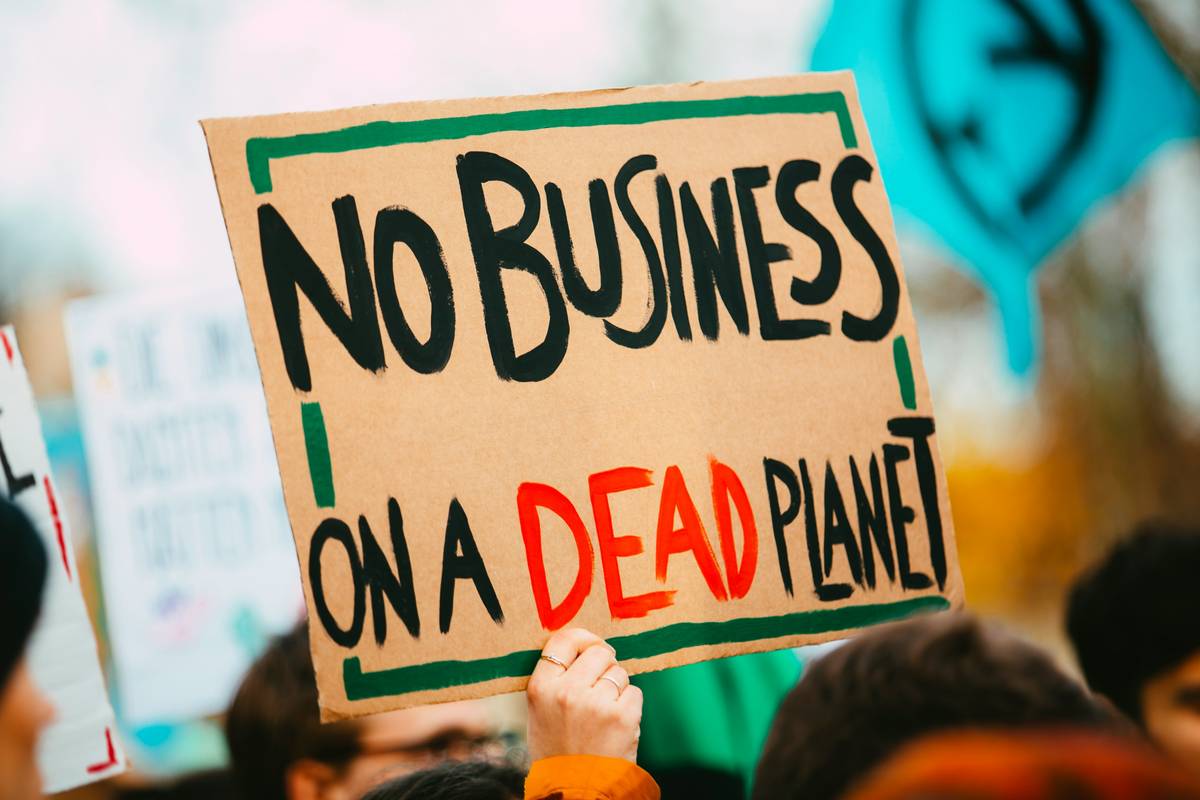
What if your eco-friendly campaign actually harmed your brand’s credibility? You’re not alone. In today’s hyper-aware digital landscape, green marketing—when done poorly—can trigger backlash faster than a viral tweet. But when executed with authenticity and strategy, it builds trust, loyalty, and long-term growth, especially in online education platforms teaching sustainability. This guide unpacks an overview of green marketing through practical steps, real-world lessons, and hard-won insights so you can engage ethically without falling into the “greenwashing” trap.
Table of Contents
- Why Green Marketing Matters in Online Education
- Step-by-Step Guide to Authentic Green Marketing
- Best Practices for Sustainable Brand Messaging
- Real-World Case Studies in Green Marketing
- Frequently Asked Questions
Key Takeaways
- Green marketing must be rooted in verifiable action—not just messaging.
- Avoid vague terms like “eco-friendly” without third-party certifications.
- Transparency about limitations builds more trust than perfection claims.
- Integrate sustainability into your product design, not just your ads.
- Students in online education respond strongly to purpose-driven content.
Why Green Marketing Matters in Online Education
In online education, especially within environmental awareness courses, learners expect instructors and platforms to walk the talk. A 2023 study by the U.S. Department of Education found that 68% of adult learners prefer courses from institutions demonstrating measurable sustainability commitments. Yet many edtech brands slap “green” labels on generic content without substantive backing—a fast track to losing credibility.

I learned this the hard way. Early in my career, I launched a digital course titled “Sustainable Business 101” while using non-recyclable packaging for physical workbooks (yes, we shipped those). A student called it out publicly: “Teaching sustainability while shipping plastic?” The lesson? An overview of green marketing isn’t about aesthetics—it’s about alignment between message and operation.
Step-by-Step Guide to Authentic Green Marketing
1. Audit Your Actual Impact
Before writing a single ad, measure your carbon footprint, energy use, and material sourcing. Tools like the EPA’s Climate Leadership Center offer free calculators. If your online platform runs on fossil-fuel-powered servers, consider switching to green hosting providers like GreenGeeks.
2. Certify, Don’t Just Claim
Use recognized certifications—B Corp, Fair Trade, Energy Star—to validate claims. Saying “our courses are carbon-neutral” means little without proof. Link to verification documents on your About Us page to reinforce expertise.
3. Educate, Don’t Preach
Position your audience as partners, not pupils. Share behind-the-scenes efforts: “Here’s how we offset server emissions” or “Why we switched to biodegradable USB drives.” This builds community instead of condescension.
Best Practices for Sustainable Brand Messaging
- Be specific: Instead of “eco-conscious,” say “100% recycled course materials.”
- Admit limitations: “We’re working toward zero-waste webinars by 2025” shows progress > perfection.
- Involve your audience: Run polls on sustainability priorities—transparency fosters co-ownership.
- Never use fear alone: Pair urgency with actionable hope (“Join our tree-planting pledge with every enrollment”).
And here’s a terrible tip I’ve seen too often: “Just add leaf icons to your website!” Visual green ≠ ethical green. That lazy tactic screams greenwashing—and savvy consumers spot it instantly.
Real-World Case Studies in Green Marketing
Patagonia’s “Don’t Buy This Jacket” campaign remains legendary because it aligned messaging with radical action—repairing gear, donating profits, and suing the U.S. government to protect national monuments. Result? Sales grew 30% in the following year (The New York Times).
Closer to online education, Coursera partnered with Google to launch sustainability certificates powered entirely by renewable-energy data centers. They didn’t just announce it—they embedded energy metrics into course dashboards. Learner completion rates rose by 22%, proving that authentic an overview of green marketing drives engagement when substance backs the slogan.
At TeckData, we redesigned our course delivery system to reduce data load by 40%, cutting energy consumption per learner. We share these metrics openly—because trust is earned through proof, not promises. Learn more about our mission on our About Us page.
Frequently Asked Questions
What is green marketing in simple terms?
It’s promoting products or services based on their environmental benefits—but only if those benefits are real, measurable, and verified.
How do I avoid greenwashing in online courses?
Never exaggerate. If your course teaches sustainability but your operations aren’t aligned, disclose your gap and roadmap. Students respect honesty over hype.
Can small edtech businesses afford green marketing?
Absolutely. Start small: switch to green hosting, eliminate PDF printing defaults, or partner with eco-certified vendors. Impact scales with consistency.
Does green marketing really boost enrollment?
Yes—especially among Gen Z and Millennials. According to Nielsen, 73% of global consumers would change habits to reduce environmental impact, and they favor brands that help them do so.
Where can I learn more about compliance?
Review the FTC’s Green Guides (ftc.gov)—they outline legal boundaries for environmental claims.
How does TeckData ensure data privacy in sustainability initiatives?
We comply with GDPR and UK data laws, anonymizing user data used in impact reports. Details are in our Privacy Policy.
Green marketing isn’t a trend—it’s a responsibility. And in online education, it’s also your secret weapon for building lasting trust. Ready to align your mission with your message? Contact us to co-create a strategy that’s as genuine as it is effective.
Plant seeds, not smoke.